


Recent Blog Posts
How to Stay Safe in Chicago's Flash Freeze Snowstorm
Flash freeze snowstorms pose a significant threat to residents of Hoffman Estates, Illinois and the greater Chicago area. These sudden weather events can create treacherous road conditions, cause power outages, and increase health risks. Being prepared and knowing how to respond is crucial for staying safe during these extreme weather conditions.
What Exactly Is a Flash Freeze Snowstorm?
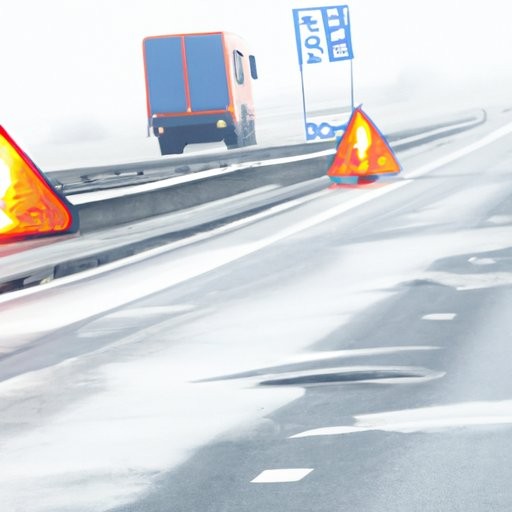
A flash freeze snowstorm occurs when temperatures drop rapidly, causing wet surfaces to freeze almost immediately. This often accompanies heavy snowfall and strong winds, creating hazardous conditions. The swift transition from rain to freezing temperatures can lead to ice accumulation on roads, sidewalks, and power lines, increasing the risk of accidents and outages.
Alcohol-Impaired Driving in Illinois: Understanding the Risks & Statistics
Alcohol-impaired driving poses a significant threat in Chicago, Illinois, and across the United States. Despite stringent laws and awareness campaigns, it continues to jeopardize road safety. Understanding the risks and statistics is essential for prevention and legal accountability.
What Are the Risks of Alcohol-Impaired Driving?
How Does Alcohol Affect Driving Abilities?
Alcohol affects the central nervous system, impairing driving skills by slowing reaction times, impairing judgment, and reducing motor coordination. Even small amounts of alcohol can compromise a driver's ability to operate a vehicle safely. The National Highway Traffic Safety Administration (NHTSA) notes that a blood alcohol concentration (BAC) of 0.08 percent significantly increases crash risks (NHTSA, 2024).
Multi-Car Chicago Crash on Dan Ryan Expressway Injures Several
The Dan Ryan Expressway in Chicago, Illinois, recently experienced a significant multi-car collision, leading to several injuries. This incident highlights the complexities of determining liability and securing compensation for those involved. For injury victims, understanding the legal framework surrounding multi-vehicle accidents is crucial.
How Is Liability Determined in Multi-Car Collisions?
Determining liability in a multi-car accident can be complex. Unlike two-vehicle collisions, where fault might be clearer, multi-car accidents involve numerous factors and potential points of failure. Each driver's actions are examined to establish responsibility for the crash.
Often, liability in multi-car collisions is shared among several parties. The principle of comparative negligence frequently applies, assigning a percentage of fault to each party. For instance, if one driver was speeding and another was distracted, both might share responsibility. Illinois follows a modified comparative negligence rule, allowing a party to recover damages only if they are less than 51% at fault. As of May 2025, Illinois law still adheres to this rule.
How to Handle a Total Loss Auto Claim with Your Insurance in Illinois
Car accidents in Chicago, Illinois can be overwhelming, especially when your vehicle is declared a total loss. Understanding how to manage a total loss auto claim with your insurance company is crucial for securing the compensation you deserve. This article guides you through the process and highlights your rights and responsibilities under Illinois law.
What Constitutes a Total Loss in Illinois?
In Illinois, a vehicle is considered a total loss when repair costs exceed a specific percentage of the vehicle's actual cash value (ACV) before the accident. This percentage is typically set by insurance companies, often ranging from 70% to 80%. The ACV is determined by the vehicle's age, condition, mileage, and market value.
When your vehicle is declared a total loss, the insurance company will offer a settlement based on the ACV. This amount may not cover the full cost of replacing your vehicle, especially if your auto loan balance exceeds the vehicle's ACV. Gap insurance can help cover the difference between the ACV and the remaining loan balance.
I-294 Pileup: Lessons from the 45-Vehicle Crash and Traffic Safety Tips
The recent I-294 pileup in Chicago, Illinois, involving 45 vehicles, underscores the urgent need for heightened traffic safety awareness. This incident highlights how quickly road conditions can become perilous and the importance of proactive safety measures. In this article, we delve into the causes of the crash and provide actionable tips to help prevent similar events.
What Caused the I-294 Pileup?
The I-294 pileup was a complex event with multiple contributing factors. Weather conditions, driver behavior, and road design all played significant roles. Understanding these elements can help us mitigate risks in the future.
How Did Weather Conditions Contribute?
Adverse weather, such as heavy fog or icy roads, can significantly increase the risk of pileups. In the I-294 incident, poor visibility and slick surfaces were major contributors. Drivers should adjust their speed and maintain a safe distance from other vehicles during inclement weather to reduce accident risks.
Illinois Car Accident Statistics: Understanding Trends and Safety Tips
Car accidents are a significant concern in Illinois, especially in bustling urban areas like Chicago. By examining the latest statistics and trends, we can gain insights into improving road safety and reducing collisions. This blog explores current car accident data in Illinois and offers practical safety tips for drivers.
What Are the Current Car Accident Trends in Illinois?
In recent years, Illinois has experienced a high number of car accidents, particularly in cities like Chicago. According to the Illinois Department of Transportation (IDOT), there were over 300,000 motor vehicle crashes in 2022, resulting in numerous injuries and fatalities. This underscores the importance of understanding the factors contributing to these accidents.
The National Highway Traffic Safety Administration (NHTSA) indicates that Illinois follows national trends, with distracted driving, speeding, and driving under the influence as major causes. As of May 2025, Illinois law continues to address these issues, emphasizing the importance of awareness and preventive measures.
Understanding Liability: Who's at Fault in Chicago Car Accidents?
Car accidents frequently occur on the bustling streets of Chicago, Illinois. Identifying the responsible party is crucial for ensuring that those affected receive the compensation they deserve. Typically, fault lies with at least one party, often due to reckless driving, driving under the influence, or violating traffic laws. In some cases, mechanical failures from inadequate vehicle maintenance may also be responsible. Determining fault is essential for covering expenses related to injuries, property damage, and other costs.
How Is Fault Determined in Chicago Car Accidents?
In Chicago, Illinois, determining fault in a car accident begins with a thorough investigation. Law enforcement officers at the scene document evidence and gather witness statements, creating an initial report that is crucial for establishing liability. In complex cases involving multiple vehicles or conflicting accounts, further investigation may be necessary.
Insurance companies also play a significant role in determining fault. They review police reports, assess vehicle damage, and may hire accident reconstruction experts to understand the sequence of events. Additional evidence, such as photos, videos, or eyewitness accounts, may be required to support claims. The goal is to clearly establish how the accident occurred and who is responsible.
Filing a Claim with Another Driver's Insurance: A Step-by-Step Guide
After a car accident, knowing how to file a claim with the at-fault driver's insurance is crucial. This guide will walk you through the process, helping you understand your rights and responsibilities in Chicago, Illinois to secure the compensation you deserve.
What Is the Claims Process in Illinois?
Illinois follows a "fault" system, meaning the at-fault driver's insurance typically covers damages. To start a claim, gather key information about the accident, such as the date, time, location, and contact details of everyone involved. A police report, if available, can strengthen your claim, as can photos of the accident scene and damages.
Why Should I Notify Law Enforcement?
Contacting law enforcement after an accident is essential. An official accident report is often needed to file a claim. Even if others have called the police, you should report the collision. The report will document essential details, which can be vital for your case. Ensure the report accurately reflects the accident to avoid complications.
Understanding Liability in Illinois State Police Squad Car Accidents
Accidents involving police vehicles in Chicago, Illinois, pose unique legal challenges. Despite their training, police officers can be involved in accidents, leading to complex legal issues due to the involvement of government entities. Understanding liability in these cases is crucial for anyone affected by such an accident.
How is Fault Determined in Police Vehicle Accidents?
Determining fault in police vehicle accidents is complex. Illinois follows a modified comparative negligence rule, allowing recovery of damages only if you are less than 51% at fault. This rule applies to police vehicle accidents, with additional considerations due to the nature of police work.
Police officers often drive at high speeds or make sudden maneuvers during pursuits or emergencies. While necessary, these actions can increase accident risks. Courts evaluate if the officer's actions were "willful and wanton" or showed "utter indifference to or conscious disregard for the safety of others." If so, the officer may be liable, as demonstrated in Stehlik v. Village of Orland Park.
Crash Factor: Understanding the Frequency of CTA Bus Accidents in Chicago
In Chicago, Illinois, public transportation is an essential part of daily life, with the Chicago Transit Authority (CTA) operating an extensive network of buses. However, the bustling streets of Chicago can lead to accidents involving these buses. Understanding the frequency and causes of these accidents is crucial for enhancing safety and efficiency.
How Frequently Do CTA Bus Accidents Happen?
CTA bus accidents are a significant concern for both commuters and city officials. The CTA operates over 1,800 buses across approximately 130 routes, making it one of the largest public transit systems in the U.S. With such a vast network, accidents are a real possibility. In 2022, numerous incidents involving CTA buses were reported, ranging from minor scrapes to serious collisions.
Several factors contribute to these accidents. Chicago's heavy traffic and complex roadways create challenging conditions for drivers. Additionally, the pressure to maintain strict schedules can sometimes lead to hurried driving. Despite these challenges, the CTA has implemented safety measures like driver training programs and regular vehicle maintenance to reduce accident risks.